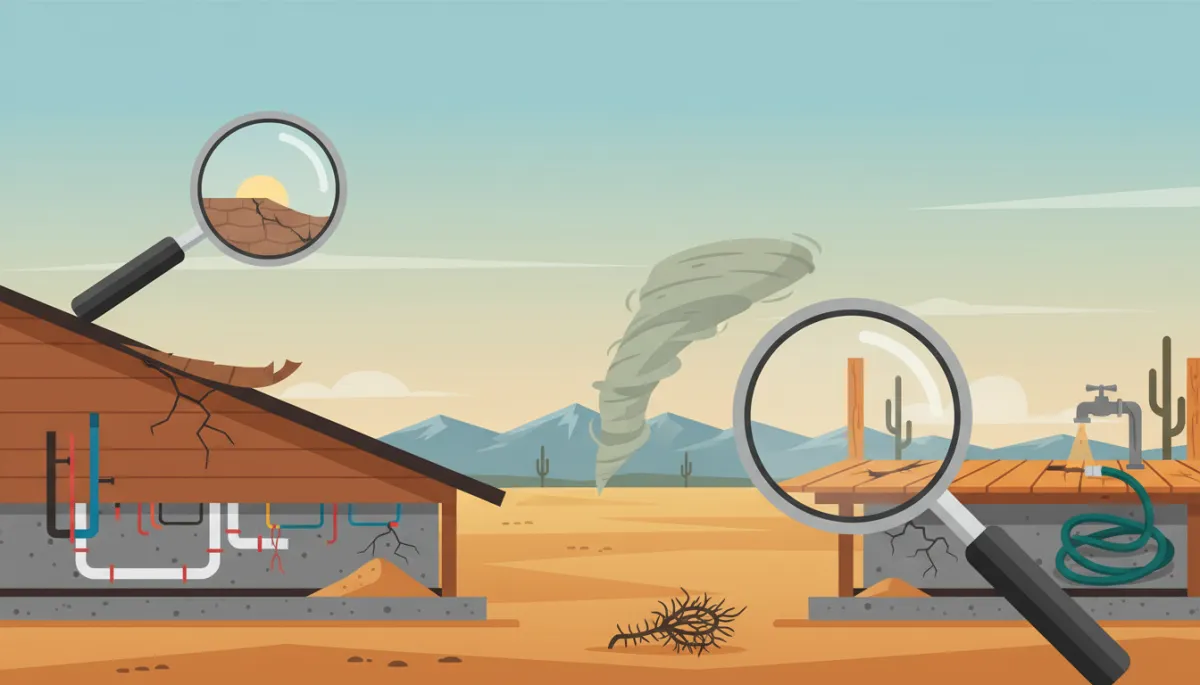
Redmond Home Inspections: Climate Considerations
Real Estate, Home Inspections, Redmond Oregon
How Redmond’s High Desert Climate Affects What You Should Inspect
Buying a home in Redmond is not the same as buying in Portland or the Willamette Valley. Our high desert climate brings big temperature swings, intense sun, low humidity, and winter freezes that quietly wear on a house in ways many buyers do not expect. If you are shopping for a home in Redmond or Central Oregon, understanding these climate driven trouble spots can help you avoid expensive surprises after closing.
Why Redmond’s High Desert Climate Is Tough on Homes
Redmond sits in Central Oregon’s high desert, with low humidity, over 300 days of sunshine per year, and winter temperatures that regularly drop below freezing. According to the National Weather Service, Redmond’s average January low is in the 20s, while summer highs often reach the 80s and 90s, creating large daily temperature swings. These conditions cause materials to dry, shrink, crack, and expand more dramatically than in milder, wetter climates. Over time that can mean hidden wear on roofs, foundations, exterior finishes, and mechanical systems that a quick walk through will not reveal.
A standard home inspection is essential, but in this climate it is just as important to know which areas deserve extra attention. Below are specific inspections that buyers in Redmond often overlook, even though the high desert environment makes them especially important.
1. Roofs and Attics: Sun, Ice, and Ventilation Issues
Central Oregon’s intense UV exposure breaks down roofing materials more quickly than many buyers expect. Asphalt shingles can become brittle, curl, or lose protective granules faster under strong sun. At the same time, winter snow and freeze thaw cycles can lead to ice dams at roof edges if the attic is poorly insulated or ventilated. The result is premature roof aging and potential leaks around valleys, flashing, and penetrations such as vents and chimneys.
Detailed shingle condition check for cracking, curling, and granule loss
Flashing and sealant inspection around chimneys, skylights, and roof vents
Attic insulation depth and coverage, especially over exterior walls
Attic ventilation, including intake and exhaust vents, to reduce heat buildup
Many buyers focus on age of roof alone, but in Redmond two roofs of the same age can be in very different condition depending on sun exposure and attic ventilation. The U.S. Department of Energy notes that proper attic ventilation and insulation help prevent ice dams and reduce roof surface temperatures, which can extend shingle life in hot, sunny climates (U.S. Department of Energy, “Attic Ventilation”). That makes a thorough roof and attic review a must have here.
This is one reason understanding what a home inspection actually covers can help you know which areas deserve extra attention before you move forward.
2. Foundations, Slabs, and Driveways: Freeze Thaw and Dry Soil
Redmond’s combination of cold winters, hot summers, and relatively dry soils can be hard on concrete. Water that seeps into small cracks expands when it freezes, gradually widening those cracks. At the same time, soils that dry out and then rehydrate can shift slightly, putting stress on foundations, patios, and driveways. The American Concrete Institute notes that freeze thaw cycles are a leading cause of surface scaling and cracking in concrete in cold regions (American Concrete Institute, “Guide to Durable Concrete”).
Hairline and larger cracks in foundation walls and slabs, including garage floors
Uneven or heaved sections of driveways, walkways, and patios that could indicate movement
Gaps between slabs and the foundation or between steps and landings
Evidence of poor drainage that allows water to pool near the foundation
Small cracks are common and not always serious, but in a high desert climate you want an inspector who can distinguish normal aging from movement that might become a larger structural or safety issue down the road.
Understanding what could go wrong during the buying process can also help you recognize which inspection findings deserve a closer look.
3. Siding, Paint, and Exterior Trim: UV and Low Humidity Wear
The same sunshine that makes Redmond perfect for river days and trail runs is tough on a home’s exterior. UV exposure and dry air can cause paint to fade and chalk, caulking to shrink, and wood trim to crack or split. South and west facing walls usually show the most wear. Fiber cement and vinyl siding tend to hold up better than bare or poorly maintained wood, but every material needs periodic inspection and maintenance in this climate.
Peeling, flaking, or chalking paint, especially on sunny exposures and trim boards
Cracked or missing caulk at siding joints, window and door frames, and penetrations
Signs of moisture getting behind siding, such as staining or soft spots at the bottom edges
The U.S. Forest Service notes that UV radiation and moisture cycling are primary causes of weathering in exterior wood, leading to checking and surface degradation if finishes are not maintained (U.S. Forest Service, “Wood Handbook”). For Redmond buyers, that means exterior paint and caulk condition is not cosmetic only. It is a key line of defense against water intrusion and premature siding replacement.
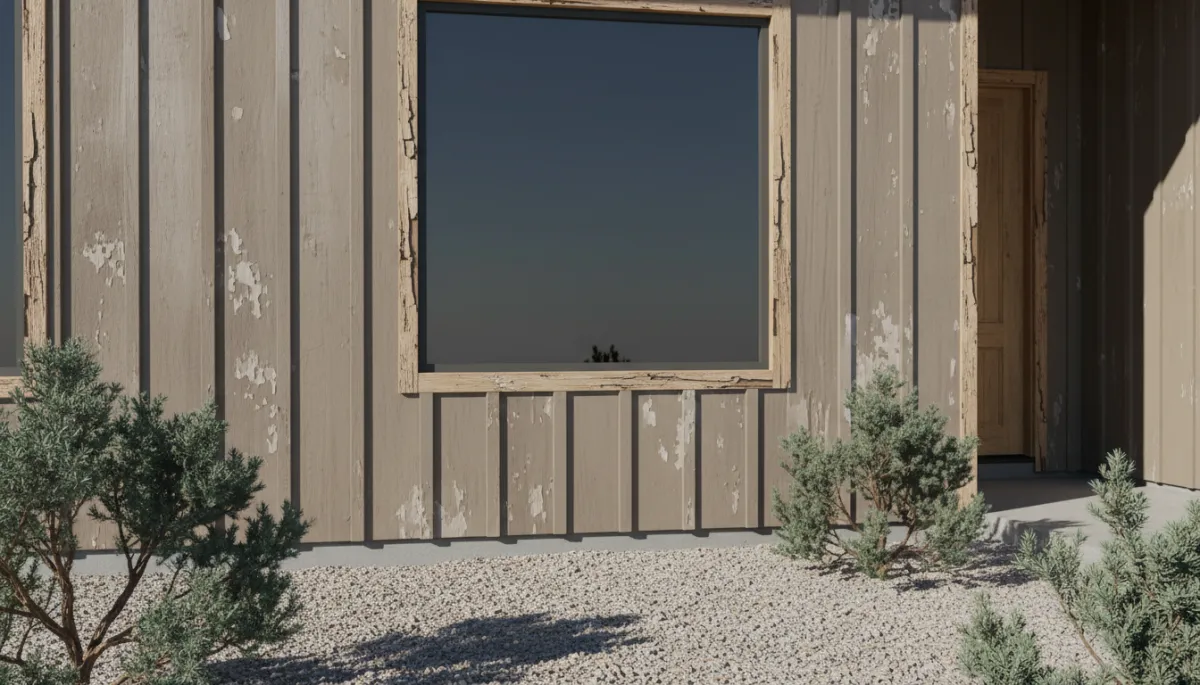
Regular exterior checks catch sun driven wear early, before it turns costly.
4. HVAC Systems and Ductwork: Heating, Cooling, and Dust
In Redmond, a home’s heating and cooling system works hard through hot summers and cold winters. Many homes rely on forced air furnaces, often paired with air conditioning or heat pumps. The dry, dusty environment can clog filters and ductwork more quickly, and older systems may struggle to keep up with temperature swings, especially in homes with lots of south facing glass or limited insulation.
Age and service history of the furnace, air conditioner, or heat pump
Condition of filters, blower compartment, and visible ductwork for dust buildup or air leaks
Airflow at supply registers in distant rooms, which can reveal duct issues
The U.S. Environmental Protection Agency reports that well maintained HVAC systems run more efficiently and can improve indoor air quality, especially when filters are replaced regularly and ducts are sealed (U.S. EPA, “Indoor Air Quality and HVAC”). In a dusty, high desert environment, that maintenance becomes even more important. When you are working long shifts or coming home from the trail with a tired dog, you want a system that quietly does its job without surprise repair bills.
5. Windows, Doors, and Weatherstripping: Drafts and Energy Loss
Big temperature swings mean your windows and doors expand and contract over the seasons. Over time that can lead to failed seals, drafts, and difficulty opening or closing. Older single pane windows or early generation double panes can be noticeably less comfortable and efficient in Redmond’s climate than newer, higher performance units. The U.S. Department of Energy notes that heat gain and loss through windows accounts for 25 to 30 percent of residential heating and cooling energy use (U.S. Department of Energy, “Energy Efficient Window Attachments”).
Fogging or condensation between panes, which indicates failed seals
Cracked or hardened weatherstripping around doors and operable windows
Gaps at thresholds and door frames where light or air is visible
These may seem like small details, but in a climate with hot summers and cold winters they affect both comfort and utility costs. They are also the kind of issues that can be negotiated before closing if you know about them in time.
If the inspection uncovers issues that need attention, knowing what you can negotiate after the inspection can help you approach those conversations strategically.
6. Irrigation, Landscaping, and Firewise Concerns
In a high desert environment, water is precious and vegetation behaves differently than in wetter parts of Oregon. Many Redmond homes rely on underground sprinklers or drip systems to keep lawns and landscaping alive. At the same time, dry summers and regional wildfire risk mean you want to pay attention to defensible space and combustible materials near the home. Oregon State University Extension emphasizes that properly designed and maintained landscaping can both conserve water and reduce wildfire risk around homes in Central Oregon (Oregon State University Extension, “Fire Resistant Landscaping in the Pacific Northwest”).
Functioning irrigation zones, visible leaks, or broken sprinkler heads
Grading that slopes away from the home so water does not pool near the foundation
Wood piles, dense shrubs, or dry grasses too close to siding or decks
For many buyers dreaming of a fenced yard for their dog or a low maintenance, xeriscaped front yard, these systems directly affect your day to day life and monthly water bill. They are worth understanding before you close.
Quick Q&A: Common High Desert Inspection Questions
Here are some questions buyers in Redmond often ask about inspections in our climate, with answers grounded in reputable sources.
1. How often do roofs need to be replaced in Redmond’s sun and snow?
Many asphalt shingle roofs are rated for 20 to 30 years, but the National Roofing Contractors Association notes that actual lifespan depends heavily on climate, sun exposure, and ventilation (National Roofing Contractors Association, “Roofing and Weather”). In a high sun, freeze thaw environment like Redmond, it is wise to have any roof over 15 years old carefully evaluated and to budget conservatively for replacement earlier than the label might suggest.
2. Is attic ventilation really that important here?
Yes. The U.S. Department of Energy explains that proper attic ventilation helps prevent moisture buildup, reduces summer heat load, and can minimize ice dams in cold climates (U.S. Department of Energy, “Attic Ventilation”). In Redmond’s sunny, snowy environment, that combination protects both your roof and your energy bills, so it is worth asking your inspector specifically about attic airflow.
3. Do concrete cracks always mean foundation trouble?
Not always. The American Society of Home Inspectors notes that small, hairline shrinkage cracks in concrete are common and usually not structural, while wider or stair step cracks and signs of displacement can be more concerning (American Society of Home Inspectors, “Evaluating Foundation Cracks”). In a freeze thaw climate, though, even minor cracks can widen over time, so it is smart to have them documented and monitored.
4. How big a deal are older single pane windows in Redmond?
The U.S. Department of Energy reports that upgrading from single pane to energy efficient double or triple pane windows can significantly reduce heat loss and improve comfort in both cold and hot seasons (U.S. Department of Energy, “Windows, Doors, and Skylights”). In Redmond, that translates to fewer drafts on winter mornings and less heat gain on summer afternoons, so older windows are worth factoring into your long term budget.
5. Should I worry about wildfire risk when I inspect a home?
In Central Oregon, yes. Oregon State University Extension recommends creating defensible space by reducing flammable materials within at least 30 feet of the home, using fire resistant plants, and keeping gutters and roofs clear of needles and debris (Oregon State University Extension, “Fire Resistant Landscaping in the Pacific Northwest”). While this is not always part of a standard home inspection, it is wise to look at vegetation, decks, and roofing with wildfire in mind.
Making Redmond’s Climate Work for You as a Buyer
Living in Redmond means sunshine, mountain views, and quick access to trails, rivers, and dog friendly adventures. The same high desert climate that makes this lifestyle possible simply asks a bit more of you when it comes to home maintenance. By paying close attention to roofs and attics, foundations and concrete, exterior finishes, HVAC systems, windows and doors, and irrigation and firewise landscaping, you can go into your purchase with clear eyes and fewer surprises.
At Holli Sells Homes, I walk buyers through these climate specific concerns in plain language, without scare tactics or pressure. The goal is not to talk you out of a house you love, but to make sure you understand what you are buying so it fits your real life and your budget, That kind of information can also help you determine whether the home is truly the right fit for you—not simply a home that looks good on paper, from night shifts at the hospital to early morning trail runs with your dog. It is all figure out able when you have the right information and the right people on your side.
📌 Key Takeaway: In Redmond’s high desert, the most expensive surprises often come from things buyers never thought to inspect. Ask targeted questions about climate driven wear before you write off an issue as “normal.”
Ready to find a home that fits your life and our high desert reality? Book a free buyer consultation with Holli Sells Homes and let us figure out your next move together, one clear, honest step at a time.