

Find Out What Your Central Oregon Home Could Sell for in Today’s Market
Learn the steps, timelines, and strategies to sell with confidence — plus request a free home value report to see what your property may be worth.
SELLER'S
GUIDE


KNOW WHY YOU ARE
SELLING
If you know exactly why you are selling then it is easier for you to follow the right plan of action for getting what you want.
If you are a seller who needs to close a sale as quickly as possible, then you should know that getting the highest price possible is not one of your priorities. It does not mean that you won’t or cannot get the highest price, but it means that the price is not the deciding factor.
A buyer who can give you a quick closing time will appeal much more to you than a buyer who can offer you more money but the negotiation and closing time drag on.
It’s always good to know how low you will go, in terms of selling price. This will help to eliminate some of the offers that you find simply offensive or ridiculous. Even though you should consider all offers seriously and take into consideration the terms of each offer, sometimes, if you know the bottom line and are strict about it, you can save yourself time.
Once you know what your limits and reasons are, discuss them with your agent so that they can help you set your goals realistically. If you decide to list your home on your own, make sure you do research on the current market, and you get the proper advice you need in terms of legal issues, etc. The key is to be realistic and to know what your goals are so they can be met.
PLAN OF
ACTION

Analyze why you are selling – If you understand your motives, you will be able to better negotiate and to get what it is that you want, whether it be a quick sale, high price, or somewhere in the middle.
Prepare your home for the buyer – Maximize the strengths of your property and fix up its weaknesses. You want the buyer to walk away from your home with a lasting good impression.
Find a good real estate agent that understands your needs – Make sure that your agent is loyal to you, and can negotiate to help you achieve your goals. In addition, they should be assertive and honest with both you and the buyer.
Be prepared for negotiation – Learn and understand your buyer’s situation; what are their motives? Can you demand a big deposit from them? Try to lock in the buyer so that the deal goes through.
Negotiate for the best price and the best terms – Learn how to counter offer to get maximum value from every offer.
Make sure the contract is accurate and complete – Be honest with your disclosures; you do not want to lose the deal because you were lying or diminishing your home’s defects. Insist the buyers get a professional inspection. This will protect both you and the buyer.
FINDING THE RIGHT
AGENT
Not all agents work the same way. The most important attribute of an agent is that he/she is well connected to the real estate industry. He/she should know the market and provide information on past sales, current listings, his or her marketing plan, and at least 4 solid references. In addition, you also want to look for an agent that is honest, assertive, and one that best understands your needs.
Try to go with a local agent. They can better serve your needs because they should be more familiar with the local market conditions, local prices, and what’s hot or not in your community.
CONSIDERING
OFFERS

When reading an offer, keep in mind that you are out to get the best price AND the best terms for you. If you focus solely on the price, you may overlook terms that could be favorable to you as a buyer.
Some terms that may work in your favor:
higher-than-market-interest in a second mortgage for your home
all-cash deal
the buyer will take care of any repairs
quick close – the buyer is pre-approved , ready to close in a timeframe that best suits you
the buyer will pay for most or all of the closing costs
When reading through offers, remember to look at the whole package. Take the time that you need to assess what is being offered and if it meets your needs.
FOR SALE BY
OWNER
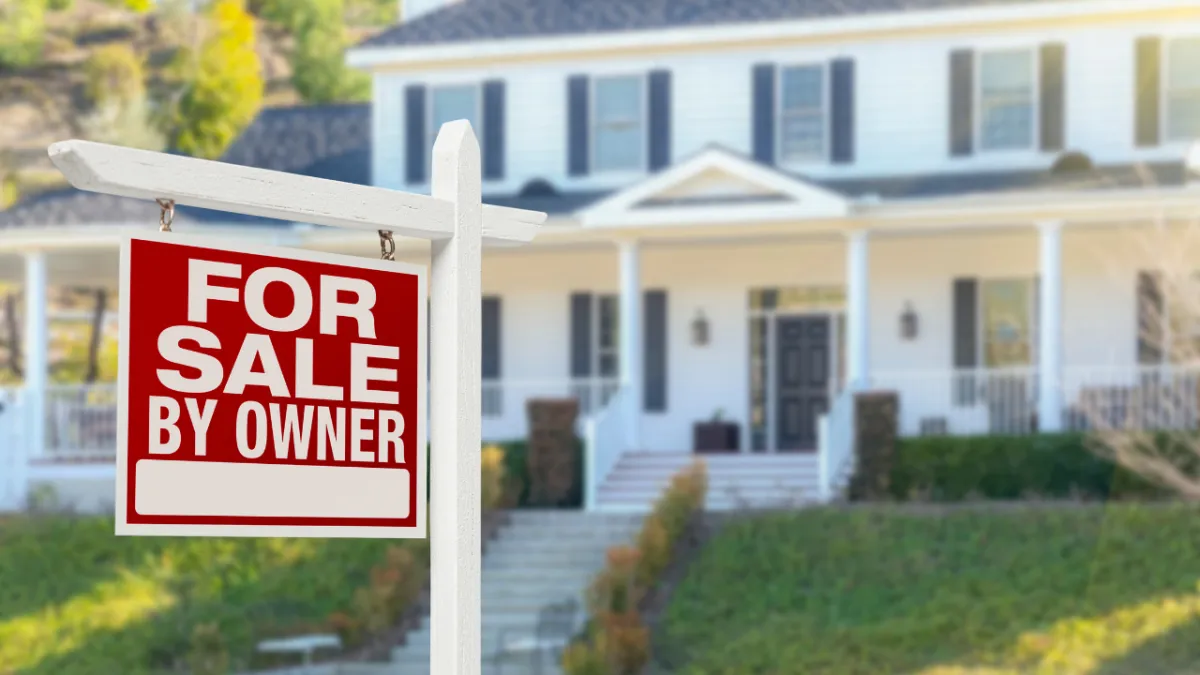
FSBO, or For Sale By Owner, means selling a home without hiring a real estate agent. The main reason many sellers consider this approach is to avoid paying a commission, which is often around 5 to 6 percent of the sale price.
At first glance, that savings can seem significant. However, it is important to look at the full picture:
According to the National Association of Realtors, homes sold with the assistance of an agent had a median sale price of $435,000, while FSBO homes sold for $380,000. This represents a difference of roughly 14 to 18 percent in favor of agent-assisted sales. (NAR, 2024)
FSBO transactions also make up a relatively small portion of the market. Data from NAR shows that only about 7 to 10 percent of home sales are completed without an agent, and many of those involve a buyer already known to the seller.
Selling a home independently requires a significant investment of time and effort. Sellers are responsible for pricing the property, marketing it effectively, coordinating showings, negotiating offers, and managing contracts and timelines. Each of these steps plays an important role in the final outcome.
Working with an agent provides access to broader exposure through the Multiple Listing Service, as well as major home search websites. It also connects the property with a network of active buyers and other agents, which can increase visibility and competition.
Before deciding which path to take, it is helpful to consider both the potential cost savings and the level of involvement required, along with how important timing, pricing, and overall results are in the sale.
SETTING THE
PRICE

The price is the first thing buyers notice about your property. If you set your price too high, then the chance of alienating buyers is higher. You want your house to be taken seriously, and the asking price reflects how serious you are about selling your home.
Several factors will contribute to your final decision. First, you should compare your house to others that are in the market. If you use an agent, he/she will provide you with a CMA (Comparative Market Analysis).
The CMA will reflect the following:

houses in your price range and area that were sold within the last half-year
asking and selling prices of houses
current inventory of houses on the market
features of each house on the market
From the CMA, you will learn the difference between the asking price and selling price for all homes sold, the condition of the market, and other houses comparable to yours.
Also, try to find out what types of houses are selling and see if it applies to your area. Buyers follow trends, and these trends can help you set your price.
Always be realistic. Understand and set your price to reflect the current market situation.
TOP PRICE
FAST SALE
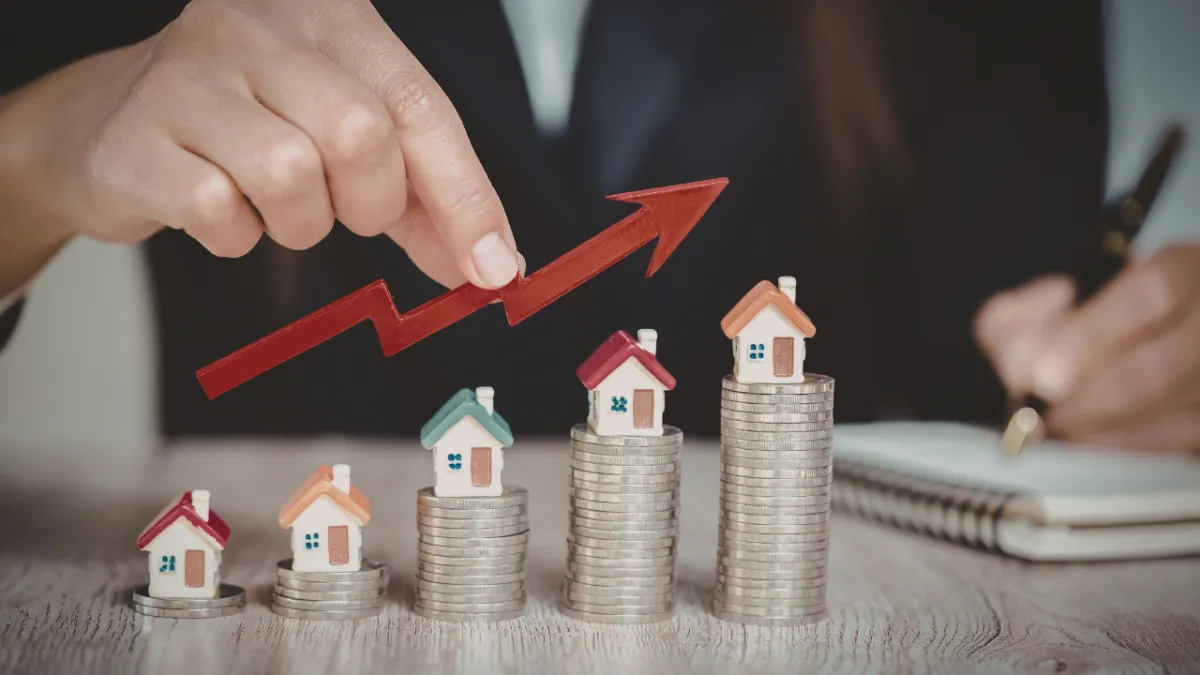
In order to get the highest price in the shortest time, you need to know how to market your home. The better you market your home, the more offers you will get. And the more offers you get, the more choices you have to get the price and terms you want.
The most important factor of marketing your home is pricing it right. Your price should be adjusted to reflect the market and your property’s worth. The key is to get as many people as possible checking out your fairly priced property. If your property is not priced fairly, there will
be no buyers because your price is set too high.
Another important factor is the condition of your home. Make sure that your home looks ready to be sold. Fix any defects (peeling or faded paint, cracks, stains, etc.) Condition alone can sometimes prompt fast buying decisions. Not only should you fix any defects, but consider
upgrading your home by making major repairs and cosmetic improvements before selling. A nice looking home triggers the emotional response that can lead to a financial response.
Learn how to negotiate the best terms for all parties involved. Terms are another factor that may be adjusted to attract buyers. If you insist on getting your asking price, think of what you can offer to the buyers. For example, improvements you’ve made or even offering seller financing at
a lower than market interest rate on a portion of the sale price. Convince them why they should be paying the price you have set.
Lastly, get the buzz out about your home. List your house with a hot agent that ensures your house is listed on the MLS and on the Internet. On your own, get the word out. It should always be visible to passersby that your house is for sale, whether it is through signs, local advertisements or you telling friends, family, and acquaintances.
HAVE QUESTIONS?
Schedule a FREE Consultation
Helping you sort through your options and move forward with confidence.
FOLLOW ME


HELPFUL LINKS
LET'S CONNECT
Holli Cobb REALTOR®
RE Lic: 201238339
Holli Cobb | Copyright © 2026 | All Rights Reserved
Importance of Inspection
As a buyer, you are entitled to know exactly what you are getting. Don’t take anything for granted, not even what you see or what the seller or listing agent tells you. A professional home inspection is something you MUST do, whether you are buying an existing home or a new one.
An inspection is an opportunity to have an expert look closely at the property you are considering purchasing and getting both an oral and written opinion as to its condition.
Beforehand, make sure the report will be done by a professional organization, such as a local trade organization or a national trade organization such as ASHI (American Society of Home Inspection). Not only should you never skip an inspection, but also you should be present with the inspector during the inspection. This gives you a chance to ask questions about the property and get answers that are not biased. In addition, the oral comments are typically more revealing and detailed than what you will find on the written report. Once the inspection is complete, review the inspection report carefully.
Use a Buyer’s Agent
It’s important that you choose an experienced agent who is there for you. Your agent should be actively finding you potential homes, keeping you informed of the entire process, negotiating furiously on your behalf, and answering all of your questions with competence and speed.
First, find an agent who represents you and not the seller. This is beneficial during the negotiation process. If you are working with a buyer’s agent, he or she is required not to tell the seller of your top choice. In addition, he or she is also focused on getting you the lowest asking price.
Also, when you use a buyer’s agent, you will see more properties. Not only are they plugged into their Multiple Listing Service, but they are also actively finding homes that are listed as FSBO, or homes that sellers are thinking about listing.
Why You Should Not Make Any Major Credit Purchases
Don’t go on a spending spree using credit if you are thinking about buying a home, or in the process of buying a new home. Your mortgage pre-approval is subject to a final evaluation of your financial situation.
Every $100 you pay per month on a credit payment could cost you about $10,000 in home eligibility. For example, a car payment of $300/month could mean that you qualify for $30,000 less in a mortgage.
Even if you have accumulated enough savings, you should consider not making any large purchases until after closing. The last thing you want is to know that you could have purchased a new home had you curbed the urge to spend.