

Sell Your Tenant-Occupied Home with Confidence
Learn the best strategies, timelines, and legal considerations for selling a property with tenants in place—plus request a free home value report to see what your property could sell for in today’s market.
KNOW WHY YOU ARE SELLING
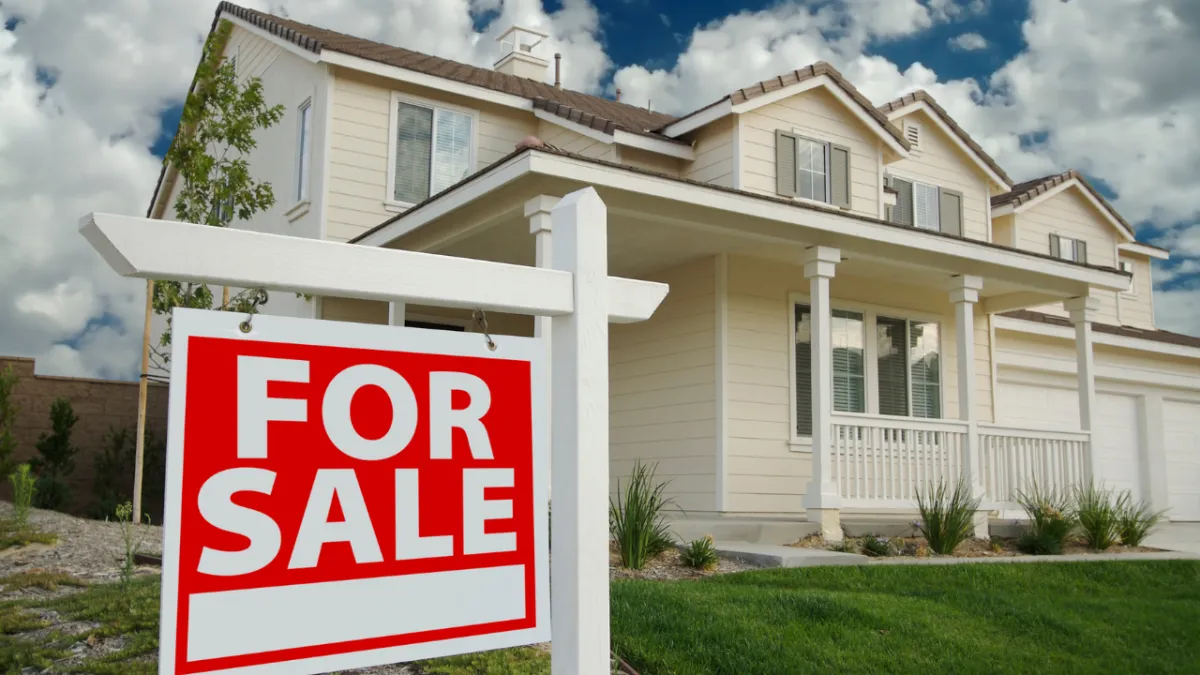
If you know exactly why you are selling a tenant-occupied property, it becomes much easier to choose the right strategy and move forward with confidence.
If your goal is to sell quickly, you may need to focus more on convenience and timing rather than maximizing the highest possible price. Selling with tenants often means working within lease agreements and schedules, which can affect how fast and smoothly the process goes.
Some sellers prefer to keep tenants in place to continue receiving rental income during the sale, while others may want the property vacant to attract more buyers. Understanding your priority—whether it’s speed, profit, or convenience—will help guide your decisions.
Buyers may also have different expectations. Investors are typically more open to purchasing tenant-occupied homes, while traditional buyers may prefer a vacant property. Knowing who your ideal buyer is can help you position your home more effectively.
It’s also important to determine your level of flexibility. Are you willing to work around tenant schedules for showings? Would you consider offering incentives for cooperation or early move-out? These decisions can directly impact your selling experience.
Once you are clear on your reasons and goals, discuss them with your agent so you can create a realistic plan. With the right approach, you can successfully sell your property while balancing both your needs and your tenants’ situation.
PLAN OF ACTION

Once you understand your reason for selling, the next step is creating a clear and realistic plan of action. Selling a tenant-occupied property requires strategy, communication, and proper timing.
Start by reviewing your lease agreement and local laws. This will determine what you can and cannot do, especially when it comes to notice periods, showings, and tenant rights.
Next, decide on your selling strategy. Will you sell to an investor and keep the tenant in place, or wait until the lease ends to attract more traditional buyers? Your decision should align with your main goal—speed, price, or convenience.
Communication is key. Inform your tenants early and set clear expectations about showings, timelines, and cooperation. A well-informed tenant is more likely to help keep the property presentable and accessible.
Prepare your home as much as possible. Even with tenants, presentation matters. Work together to maintain a clean and showing-ready space to make a strong impression on buyers.
Finally, partner with an experienced real estate agent who understands tenant-occupied sales. With the right guidance, you can navigate challenges, avoid delays, and maximize your outcome.
FINDING THE RIGHT AGENT

Not all agents have experience selling tenant-occupied properties. The most important quality to look for is an agent who understands how to navigate tenant situations while still maximizing your sale. They should be familiar with lease agreements, tenant rights, and how to coordinate showings with minimal disruption.
An experienced agent will know how to position your property correctly—whether that means targeting investor buyers or preparing for a sale once the lease ends. They should also have a clear marketing plan that works even with limited access to the home.
Communication is key. Your agent should be able to work professionally with both you and your tenants, keeping everyone informed and reducing potential conflicts during the process.
You’ll also want an agent who is honest, proactive, and solution-oriented, especially when challenges come up. Selling with tenants can have obstacles, so having the right guidance makes all the difference.
Whenever possible, choose a local agent who understands your market and has experience handling similar situations. This ensures you get the right advice, proper pricing strategy, and a smoother overall sale.
CONSIDERING OFFERS

When reviewing offers on a tenant-occupied property, it’s important to focus not only on the price, but also on the terms and conditions that fit your situation. Selling with tenants adds another layer, so the right offer is the one that aligns with your goals and your tenant’s status.
Some buyers may be comfortable taking over the property with tenants in place, while others may request the home to be vacant before closing. Understanding these differences will help you evaluate offers more effectively.
Some terms that may work in your favor:
Investor-friendly offer
Buyer is willing to keep tenants and honor the lease
All-cash deal
Faster closing with fewer complications
Flexible showing & transition terms
Buyer understands tenant situation and timelines
Quick close option
Ideal if tenant lease is ending soon
Buyer accepts property “as-is”
No repairs needed despite tenant occupancy
When reviewing offers, remember to look at the complete picture—not just the price. Consider how each offer affects your timeline, your tenants, and your overall selling experience. The best offer is the one that meets your needs while keeping the process as smooth as possible.
SELLING WITH TENANTS:
SHOULD YOU WAIT OR SELL NOW?
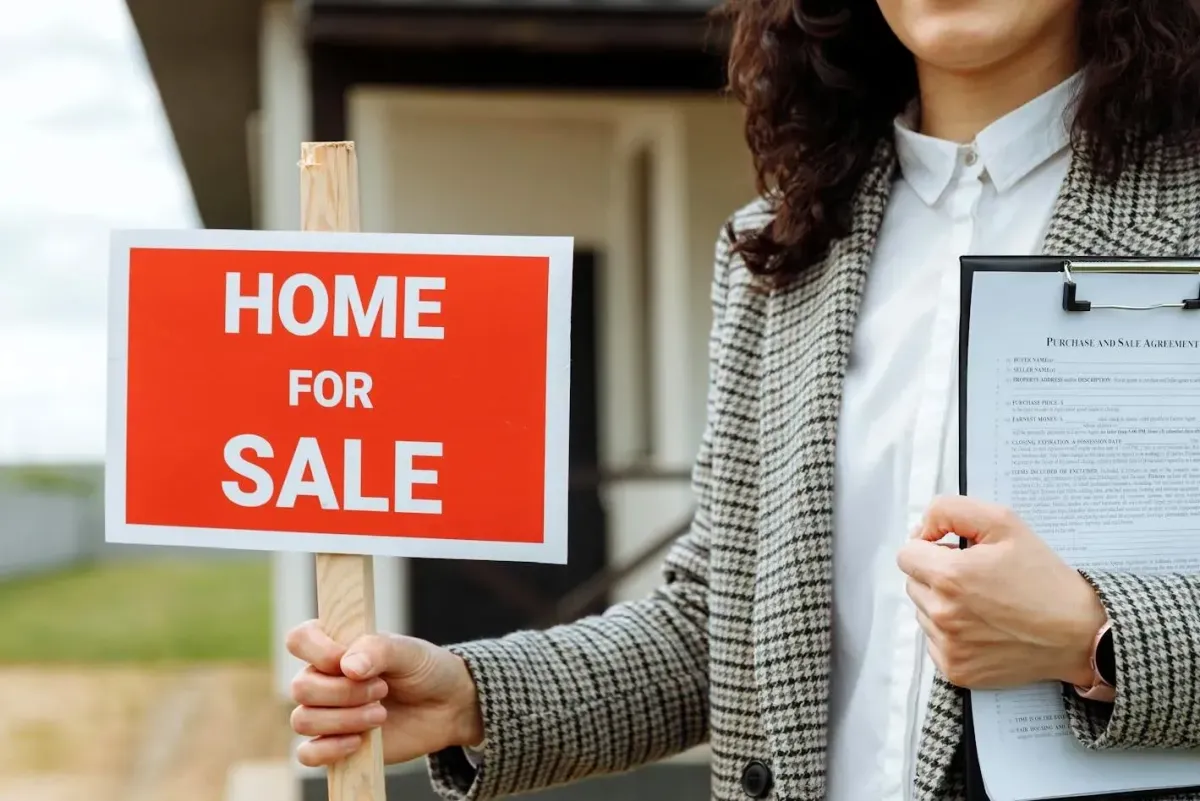
Selling a tenant-occupied property comes with important decisions—one of the biggest is whether to sell now with tenants in place or wait until the property is vacant. Each option has its own advantages depending on your situation.
If you sell with tenants in place, you may continue receiving rental income and attract investor buyers who are looking for a property with immediate cash flow. This can make the process faster, especially if the tenant is cooperative and the lease is in good standing.
However, selling with tenants can also come with challenges. Showings may be limited, the property may not always be in ideal condition, and some buyers may be discouraged if they are looking for a home to move into right away.
On the other hand, waiting until the lease ends allows you to prepare, stage, and market the home more effectively, often attracting a larger pool of buyers and potentially higher offers. But this may mean a longer timeline and possible vacancy costs.
There is no one-size-fits-all answer. The best decision depends on your priorities—whether it’s speed, convenience, or maximizing your sale price.
Before making a decision, consider your timeline, your tenant’s situation, and current market conditions. Working with an experienced agent can help you weigh your options and choose the strategy that best fits your goals.
SETTING THE PRICE

Pricing a tenant-occupied property requires a slightly different approach than selling a vacant home. While you still want to maximize your value, you also need to consider how the tenant situation impacts buyer interest and flexibility. If your property is occupied, your buyer pool may lean more toward investors, especially if the lease is active. This means your pricing should reflect not only the home’s condition, but also its rental income potential and lease terms. Your agent will help you analyze the market and compare your home with similar properties. This is often done through a Comparative Market Analysis (CMA), which gives you a clear understanding of where your property stands.
A strong pricing strategy will consider:
Rental income and lease details
– Current rent, lease length, and tenant stability
Comparable sales (occupied vs. vacant homes)
– Understanding how similar properties are priced
Condition and accessibility of the home
– Tenant-occupied homes may show differently
Investor demand in your area
– Are buyers actively looking for rental properties?
Setting the right price is key to attracting serious buyers while avoiding unnecessary delays. Pricing too high can limit interest—especially with tenants—while pricing correctly can generate stronger offers and smoother negotiations.
Always stay realistic and align your price with both market conditions and your selling strategy.
FAST SALE WITH TENANTS

Selling a tenant-occupied property quickly requires the right balance of pricing, strategy, and cooperation. The more prepared and flexible you are, the smoother and faster your sale will be.
One of the most important factors is pricing your property correctly from the start. Tenant-occupied homes attract a specific type of buyer—often investors—so your price should reflect both the market value and the rental potential.
Another key factor is tenant cooperation. A tenant who is informed and willing to work with showings can significantly improve your chances of getting strong offers quickly. Clear communication and setting expectations early can make a big difference.
Presentation still matters. Even with tenants in place, keeping the property clean, organized, and accessible helps buyers see the full potential of the home.
Flexibility is also important. Being open to different terms, timelines, and buyer types can help you secure a deal faster, especially in a tenant-occupied situation.
Lastly, working with the right agent ensures your property is marketed effectively and positioned to attract the right buyers. With the right approach, you can achieve a fast, smooth, and successful sale—even with tenants in place.
HAVE QUESTIONS?
Schedule a FREE Consultation
Helping you sort through your options and move forward with confidence.
FOLLOW ME


HELPFUL LINKS
LET'S CONNECT
Holli Cobb REALTOR®
RE Lic: 201238339
Holli Cobb | Copyright © 2026 | All Rights Reserved
Importance of Inspection
As a buyer, you are entitled to know exactly what you are getting. Don’t take anything for granted, not even what you see or what the seller or listing agent tells you. A professional home inspection is something you MUST do, whether you are buying an existing home or a new one.
An inspection is an opportunity to have an expert look closely at the property you are considering purchasing and getting both an oral and written opinion as to its condition.
Beforehand, make sure the report will be done by a professional organization, such as a local trade organization or a national trade organization such as ASHI (American Society of Home Inspection). Not only should you never skip an inspection, but also you should be present with the inspector during the inspection. This gives you a chance to ask questions about the property and get answers that are not biased. In addition, the oral comments are typically more revealing and detailed than what you will find on the written report. Once the inspection is complete, review the inspection report carefully.
Use a Buyer’s Agent
It’s important that you choose an experienced agent who is there for you. Your agent should be actively finding you potential homes, keeping you informed of the entire process, negotiating furiously on your behalf, and answering all of your questions with competence and speed.
First, find an agent who represents you and not the seller. This is beneficial during the negotiation process. If you are working with a buyer’s agent, he or she is required not to tell the seller of your top choice. In addition, he or she is also focused on getting you the lowest asking price.
Also, when you use a buyer’s agent, you will see more properties. Not only are they plugged into their Multiple Listing Service, but they are also actively finding homes that are listed as FSBO, or homes that sellers are thinking about listing.
Why You Should Not Make Any Major Credit Purchases
Don’t go on a spending spree using credit if you are thinking about buying a home, or in the process of buying a new home. Your mortgage pre-approval is subject to a final evaluation of your financial situation.
Every $100 you pay per month on a credit payment could cost you about $10,000 in home eligibility. For example, a car payment of $300/month could mean that you qualify for $30,000 less in a mortgage.
Even if you have accumulated enough savings, you should consider not making any large purchases until after closing. The last thing you want is to know that you could have purchased a new home had you curbed the urge to spend.